Roof Lights: Natural Lighting Enhancements for Renovation Projects
Installing a Skylight: Step-by-Step Tips for Homeowners
Skylight installation is a practical way to enhance both natural light and ventilation in a home. Homeowners often underestimate the complexity of the process. explore now Choosing the appropriate skylight style and taking accurate measurements are critical initial steps. With the right tools and materials, the installation can proceed smoothly. Yet, frequent mistakes can occur, resulting in unwanted complications. Being aware of these factors can significantly impact the outcome of a successful installation. Discover what follows in this indispensable guide?
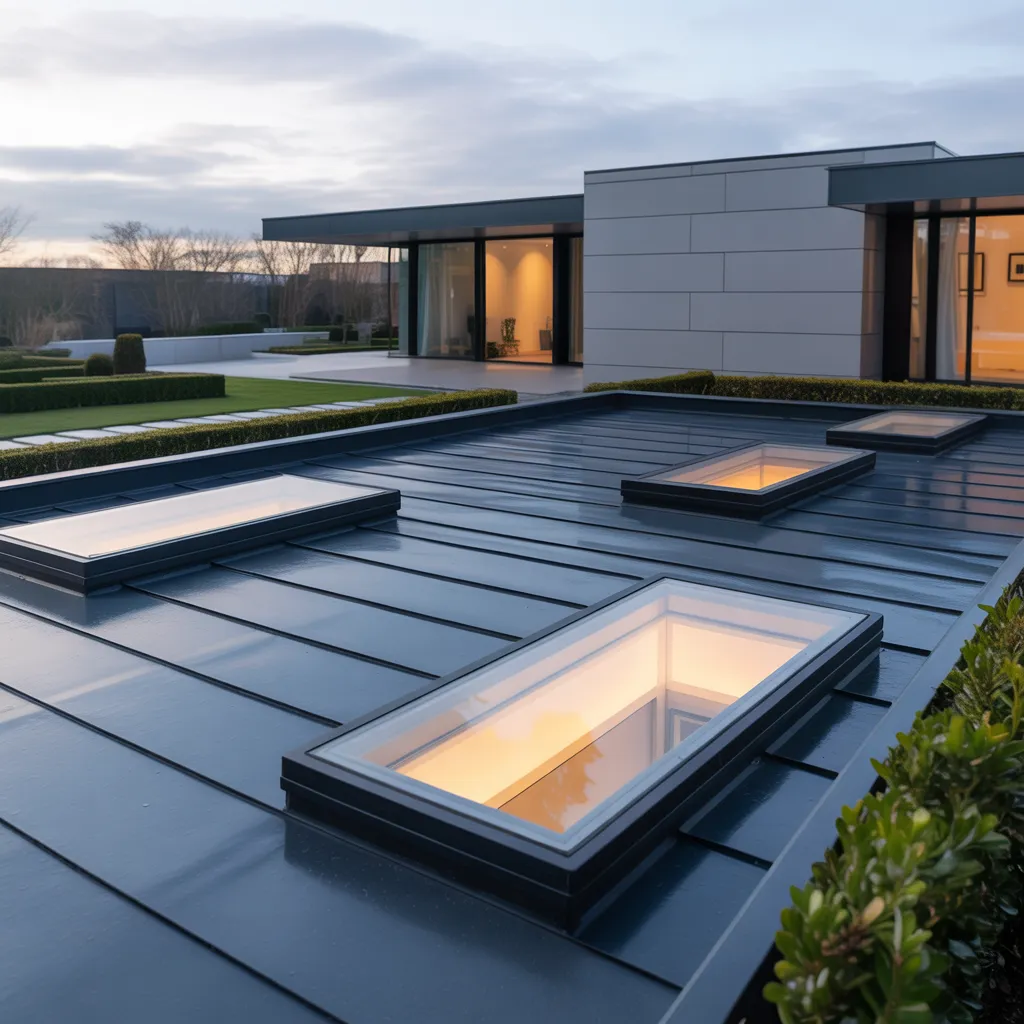
What You Need to Know About Skylights: Why They Make a Difference for Your Home
Skylights act as openings to the sky, filling homes with natural light and improving overall ambiance. These architectural features not only brighten interiors but also create a sense of openness that enhances the overall design. By integrating skylights, homeowners can minimize the need for artificial lighting, resulting in potential energy savings. The abundance of natural light can positively impact mood and well-being, rendering spaces more inviting and cheerful.
In addition, skylights can improve ventilation, letting warm air rise and exit while welcoming cooler air inside. This effortless ventilation promotes a more agreeable indoor climate, particularly throughout the hotter seasons. Furthermore, strategically placed skylights can highlight specific areas, such as artwork or architectural details, enhancing the visual appeal of the living space. All things considered, comprehending the value of skylights empowers homeowners to embrace their part in fostering a cohesive living atmosphere, merging practicality with elegance.
Finding the Best Skylight for Your Home
Choosing the right skylight for a home encompasses several important elements. A review of skylight types, thermal efficiency requirements, and design qualities can enable homeowners reach educated decisions. Each aspect serves an important purpose in enhancing both functionality and decorative impact.
An Overview of Skylight Types
When evaluating a skylight for a home, understanding the various types available is important for making a well-informed decision. Skylights are typically divided into three categories: fixed, vented, and tubular. Fixed skylights are stationary and mainly function to add light and aesthetics. Vented skylights are designed to let in fresh air and promote better air circulation, making them ideal for rooms like kitchens and bathrooms. Tubular skylights, also known as sun tunnels, are suited to smaller spaces and direct natural light through reflective tubes, delivering daylight where larger skylights cannot fit. Each type has unique advantages, and homeowners should consider their particular needs and the desired placement to choose the most suitable option for their home.
Energy Efficiency Aspects
A detailed analysis of energy effectiveness is critical for homeowners looking into skylight installation. Selecting the right skylight involves recognizing factors such as glazing options, frame materials, and Energy Star ratings. Double or triple-glazed units with low-emissivity (Low-E) coatings reduce heat transfer, boosting insulation and cutting energy expenses. Homeowners are encouraged to also examine the placement and orientation of the skylight to maximize natural light while minimizing heat gain in warmer months. Venting skylights can boost airflow and lessen the need for air conditioning. Additionally, choosing energy-efficient models can qualify homeowners for potential rebates or incentives, additionally enhancing the long-term value of the installation. Overall, informed decisions regarding energy efficiency contribute greatly to the overall benefits of skylight installation.
Visual Design Elements
The visual impact of skylights can greatly enhance a home's indoor and outdoor visual appeal. When picking out a skylight, homeowners should consider factors such as size, shape, and style to guarantee harmony with existing architectural elements. For instance, bigger skylights can generate a bold visual statement, while smaller options may complement cozy spaces. The glazing selection also plays a crucial role; uncoated glass helps amplify daylight, whereas tinted or frosted versions offer privacy. Additionally, structural materials, like hardwood or aluminum, must harmonize with the residence's design philosophy. Ultimately, the right skylight not only elevates a room's ambiance but also contributes to the home's curb appeal, making thoughtful decisions critical for design consistency.
Important Tools and Supplies for Skylight Installation
Proper skylight installation demands a specific set of instruments and resources to guarantee a secure and efficient process. Vital tools include a tape measure for accurate measurements, a level to ascertain proper alignment, and a utility knife for accurate trimming. A drill is necessary for creating pilot holes, while a hammer and roofing nails anchor the skylight assembly. Safety gear, such as gloves and goggles, is likewise critical for shielding against likely risks.
Materials needed for installation consist of the skylight unit, leak-preventing flashing, and waterproofing sealant. In addition, a reliable ladder is necessary for safe access to the installation area. Based on the type of roofing material, shingles or underlayment might also be necessary. Having these tools and materials ready ahead of time will make the installation process more efficient, reducing delays and securing a successful completion.
Complete Step-by-Step Instructions for Installing Your Skylight
Commence by choosing the optimal spot for the skylight, confirming it complements the structural stability of the roof and optimizes natural light. Next, measure the size of the chosen skylight and trace the boundaries on the roof. Methodically remove the roofing materials, making sure to avoid any support structures.
When the opening is complete, use 2x4s to frame the skylight to ensure structural stability and support. Install a flashing kit around the opening to prevent water leaks, ensuring it overlaps with the roofing materials.
Place the skylight within the framed opening, fastening it in accordance with the manufacturer's instructions. Fill all gaps with appropriate caulk to enhance water resistance.
To complete the process, reinstall the roof covering encircling the skylight, making sure it fits securely. Within the interior, finalize the wall finishing and trim work as required, completing the installation process so that natural light can pour into the room.
Fixing Typical Skylight Installation Concerns
Throughout the process of installing skylights, a number of frequent problems may occur that might affect the overall success of the project. Leaks during installation, improper sealing techniques, and incorrect flashing placement are frequent concerns that may result in serious complications when left unresolved. Knowing how to identify and resolve these problems is critical for achieving a proper skylight installation.
Leaks During Installation
Managing leaks in the course of skylight installation is vital to guarantee a watertight seal and avoid future damage. Homeowners should first inspect the flashing and underlayment for any gaps or misalignments that could lead to water intrusion. Proper alignment of the skylight within the roof opening is critical; any tilt can exacerbate leaks. In the course of the installation process, utilizing superior sealants and flashing materials is suggested to offer an added layer of safeguard against moisture. Furthermore, inspecting for any debris or blockages that could impede drainage around the skylight is necessary. Routine evaluations following installation can assist in detecting potential problems before they worsen, preserving the long-term durability of the skylight and the adjacent roofing structure.
Improper Sealing Techniques
Leaks during installation frequently result from inadequate sealing methods, which makes it important to identify typical errors. One typical oversight is not applying enough sealant, which may result in spaces that enable moisture penetration. It is also important for homeowners to confirm that the sealant works well with both the skylight material and the roofing surface. Moreover, overlooking the even distribution of sealant can result in weak points that undermine the integrity of the installation. Occasionally, choosing the incorrect sealant type, for instance using caulk in place of a flexible roofing sealant, may worsen existing issues. Through awareness of these concerns, homeowners are able to implement preventive measures to ensure a completely sealed installation, ultimately prolonging the life of their skylight while avoiding expensive repair work.
Improper Flashing Placement
Ensuring appropriate flashing positioning is critical for a effective skylight installation. Incorrect flashing can lead to significant water leaks and damage to the structure, undermining the complete installation process. It is essential that the flashing fits correctly with the roofing material to establish a moisture-proof seal. Homeowners should verify that the flashing is installed in line with the manufacturer's instructions and that it integrates seamlessly with existing roof features. Common mistakes include improper alignment, insufficient joint sealing, and failing to utilize appropriate materials. Routine checks following installation can help identify possible problems at an early stage. Addressing these flashing concerns promptly can save homeowners from costly repairs and ensure the long-term performance of their skylight. Diligent focus on flashing will result in a robust and reliable skylight installation.
Skylight Care Tips for Long-Lasting Performance
Regular upkeep is crucial for extending the life of a skylight. Property owners should periodically check the skylight for evidence of wear, such as cracks or fading in the glass. Cleaning the skylight at least twice a year helps prevent dirt build-up that can obscure light and impact aesthetics. A gentle soap solution and a soft cloth are adequate for this task.
Checking the flashing and seals is vital to prevent leaks. Residents should verify that these components are undamaged and clear of debris. If damage is found, timely repairs can save costly water damage.
In addition, removing branches that hang over can reduce debris from collecting and minimize the likelihood of damage during stormy conditions. Finally, consider inspections by professionals every few years to ensure that the skylight remains in peak condition. By following these tips, homeowners and residents can take full advantage of their skylight features for a long time.

Questions We Often Receive
Is It Possible to Install a Skylight Myself, or Should I Seek a Professional?
Figuring out whether to handle skylight installation personally or bring in a professional relies on the person's expertise and prior experience. When in doubt, seeking advice from a professional can ensure correct installation and prevent possible structural complications.
What Is the Optimal Time of Year to Install a Skylight?
The best time for skylight installation is throughout spring or early fall. Both seasons generally provide moderate weather conditions, reducing the risk of rain or snow, and allowing for ideal working conditions and efficient sealing of the skylight.
What Is the Typical Cost of Skylight Installation?
The typical cost of skylight installation falls between $1,000 and $3,000, based on factors including size, material, and installation complexity. Homeowners ought to factor in additional expenses for permits and possible roofing work when estimating the total cost of the project.
Will Installing a Skylight Affect My Home's Energy Efficiency?
Adding a skylight can improve a home's energy-saving potential by allowing natural light to reduce reliance on artificial lighting. Nevertheless, improper installation or insufficient insulation may result in excessive heat loss or gain, compromising the home's overall efficiency.
What Permits Are Required for Skylight Installation?
Local building permits are typically required for installing skylights. Homeowners must check with their municipality to confirm specific regulations, including zoning laws and structural assessments, to comply with safety and energy efficiency standards.